
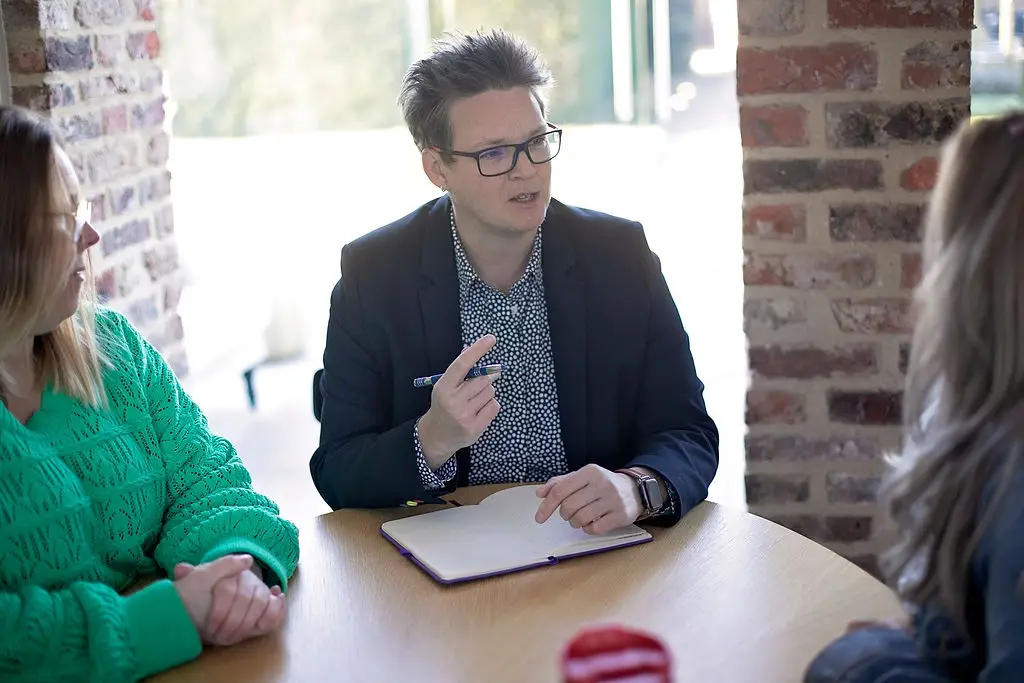
You know that designer, right? The one who seems to pluck brand identities out of thin air, crafting something so perfectly them it’s borderline spooky. They can take a messy mood board, a rambling client brief, and three totally contradictory stakeholder opinions and somehow, miraculously, translate it all into a strategy that makes everyone in the room go, “YES, THAT’S IT!”
Maybe you love them. Maybe you’re a little bit jealous. But either way, there they are, making the complex look effortless while the rest of us are battling revision number three on a logo that still doesn’t quite feel right.
What’s their secret weapon? Intuition. And as the AI wave keeps crashing into the creative industry-all algorithmic confidence and template-spewing efficiency-your intuition isn’t just a nice-to-have anymore. It’s the whole darn game. It’s the thing that saves your spark.What Is Intuition, Really? (And Why I Stake My Business on It)
Look, I’ve got a technical, logical mind, and I genuinely care about making things work. So when I talk about intuition, I’m not talking about fluffy magic.
Psychologists describe intuition as “thinking that you know without knowing why you do.” I love that, because it perfectly captures that gut feeling: you look at a colour palette and you just know it’s wrong, even if you can’t immediately explain the science behind it to a client. It’s the ability to truly see what your client is trying to describe when they’re waving their hands around talking about “energy” or “vibe.”
Your brain is a pattern-recognition machine. After over 30 years in this game-building and growing brands from strategy to identity-my brain has stored a massive amount of data. When you call it intuition, what’s really happening is your brain pulling from that huge library of lived experience without you having to consciously open a single folder.
It’s sensing when a font is trying too hard. It’s knowing when a strategy is too surface-level before the deck is even finished. It’s that moment when you nail a visual identity on the first pass because you didn’t just listen to the client’s words; you extracted the vision from their brain that even they didn’t know was fully formed.
It’s the difference between delivering a “nice logo” and delivering an “oh my god, you get me” moment.
The De-Skilling Cycle: How We Got Here
If you’ve watched creative industries evolve, you know the cycle: a job that once required an artisan eventually gets broken down into simple, learnable, replicable chunks. We call this de-skilling.
Branding has been through this multiple times. We moved from deep-dive design houses to simple desktop publishing. And then we got Canva.
Democratising design tools isn’t a bad thing. More creation is generally good. But the unintended consequence? The craft of branding got watered down to “pick a template, swap the colours, call it a brand.” The deep, strategic thinking-the part where you uncover what a business actually is and translate that into a visual language-got skipped in favour of speed and cost.
We traded bespoke tailoring for fast fashion. And now? AI is the next, rapid stage in that cycle.
Enter AI: The Automation Tornado
Let’s not mince words: AI can generate logos, colour palettes, and mood boards today. It’s tempting, but here is the essential, simple point: AI can only think of faster horses.
AI can remix the familiar and iterate on what already exists, producing perfectly competent work based on past data. What it absolutely cannot do is think of the car. It cannot look at a founder’s chaotic vision and intuit the underlying purpose. It can’t sense when a brief is fundamentally asking for the wrong thing.
If your skillset is primarily built on following a predictable process, then things are about to get uncomfortable. AI can do that faster, cheaper, and without needing a coffee break.
But branding is not just about pretty assets. It’s about capturing something totally intangible and making it real. It’s about finding Clarity (what you’re really about), setting Direction (where you’re going), and crafting an Identity (who you are). And that? That requires messy, beautiful, human intuition.
Why Intuitive Designers Are About to Win
Don’t call it a comeback, call it a necessary pivot. In a world where anyone can pay a small monthly fee for a generative AI subscription to create a “brand,” the designer who can do what the machine can’t is suddenly invaluable.
The intuitive designer brings:
- Novel Solutions: We’re not remixing. We’re creating something that hasn’t existed before because we’re tapping into human insight, not just a database.
- Judgment Without Certainty: We can look at a concept and just know it’s the right direction, even when we can’t immediately run a thousand tests to prove it. Our gut is the fastest validation tool.
- Problem Interrogation: We challenge the brief. We ask, “Is this what you think you want, or what you actually need?” That kind of strategic challenge isn’t in the AI’s programming.
As design thinker Jenny Wen says, “In a world where anyone can make anything, what matters is your ability to choose and curate what you make.” The future isn’t about making more; it’s about making better. We’re shifting from a knowledge economy to an intuition economy, and I say it’s about time.So, How Do You Flex Your Intuition Muscle?
If you’re reading this thinking, “Great, but my intuition feels a bit flat today,” don’t worry. It’s a muscle, and you can absolutely build it up. I like to teach this from my own lived experience, so here are my simple steps:
- Consume Design Like It’s Your Job: Look at brands. Hundreds of them. The good, the bad, and the brilliant. Don’t just scroll-ask yourself why something works or doesn’t. Develop a strong, educated taste.
- Understand the Mechanics: You need to be technically sound. If you’re a brand designer, don’t just know colour theory; know the psychology behind the colours. Understand printing. Know the limitations of digital applications. The more simple context you have, the more connections your brain can make subconsciously.
- Study People: Branding is a conversation with humans. Read about perception and emotional triggers. Understand what makes people tick. Then, turn that lens on yourself to understand your own creative decisions.
- Design. A Lot. And Learn: Every single project is data for your brain. Every collaboration, every mentor conversation, and every bit of healthy competition pushes you to think outside the known box.
- Listen to Your Gut: This is the biggest, hardest one. That quiet, nagging voice that says, “This isn’t quite right yet”? Stop ignoring it. Stop overriding it with, “but the client said…” Your intuition is trying to tell you something valuable. Let it speak.
The Human Advantage
Here’s the cold, hard truth, delivered with a bit of dry humour: AI will never sit across from a founder who has poured their life savings into a dream and feel the weight of that responsibility. It will never experience the satisfaction of nailing an identity so perfectly that someone gets teary-eyed when they see it. And it certainly won’t know the simple joy of finding the perfect font.
Trying to be more like a machine is a losing battle. Lean into the messy, intuitive, beautifully human part of what you do.
At Brew Your Brand, we’ve always believed that great branding isn’t about following a template; it’s about being the strategic sidekick who can see the finished picture before the founder can. It’s about extracting that tangled vision and making it real. That is simply not something AI can replicate, no matter how many terabytes of data it processes.
So yes, AI is coming for the templated, de-skilled, paint-by-numbers part of our industry. Let it have them. Because while the machines are busy churning out faster horses, we’ll be over here designing the cars.
Your spark-that intuitive, human, slightly inexplicable thing that makes you you-isn’t going anywhere. In fact, it just became your most valuable asset.
Time to trust it.
Maybe you love them. Maybe you irrationally hate them a little bit. Either way, there they are, making the complex look effortless while the rest of us are drowning in revision three of a logo that still doesn’t quite feel right.
What do they have that you don’t? Intuition. And as AI starts muscling its way into the creative industry with its algorithmic confidence and template-spewing efficiency, intuition isn’t just nice to have anymore. It’s your secret weapon.
What Even Is Intuition (And Why Does It Matter)?
Psychologist Daniel Kahneman describes intuition as “thinking that you know without knowing why you do.” It’s that gut feeling when you look at a colour palette and just know it’s wrong, even if you can’t immediately articulate why. It’s the ability to visualise what your client is trying to say when they’re waving their hands around talking about “energy” and “vibes.”
Your brain is brilliant at pattern recognition. It stores memories, experiences, emotions, and visual information, then pulls from that massive internal library without you consciously thinking about it. This is what separates a good designer from a great one, the ability to make hundreds of micro-decisions that feel right because your brain is processing information you didn’t even know you had.
In branding, this shows up everywhere. It’s knowing when a typeface is trying too hard. It’s sensing when a brand strategy is superficial before anyone else in the room does. It’s that moment when you nail a visual identity on the first attempt because you’ve extracted something from your client’s brain that even they didn’t know was there.
At Brew Your Brand, I’ve been told time and again that I have this slightly spooky ability to visualise what clients can’t articulate themselves. That’s not magic, it’s intuition built from years of looking, listening, and connecting dots that others miss. It’s the thing that turns a branding project from “nice logo” to “oh my god, you GET me.”
The Great De-Skilling Cycle (Or: How We Got Here)
If you’re even remotely interested in how work evolves, you’ll know that creative industries follow a predictable cycle. A small number of skilled artisans produce beautiful work. Demand grows. Skilled labour becomes scarce. So the industry de-skills the process, breaks it down into bite-sized chunks anyone can learn.
Branding has been through this cycle more than once. Hand-lettered signage gave way to commercial printing. Bespoke brand identities crafted by design houses gave way to desktop publishing. And desktop publishing gave way to… well, Canva.
Don’t get me wrong, democratising design tools isn’t inherently bad. More people creating is generally a good thing. But what happened is that the craft of branding got stripped down to “pick a template, swap the colours, call it a brand.” The deep, strategic thinking, the bit where you uncover who a business actually is and translate that into visual language, got skipped in favour of speed and cost.
We went from bespoke tailoring to fast fashion. And now? AI is the next step in that cycle.
Enter AI: The Automation Tornado
Here’s the uncomfortable truth: AI can produce logos today. It can generate colour palettes, suggest fonts, and even mock up brand guidelines. And while it might be tempting, there’s a catch (and it’s a big one). If you use an AI logo, you aren’t being unique, and you aren’t being YOU. You’re just a mashup of everyone else’s data. Plus, from a legal standpoint, AI-generated work can’t be trademarked. You can’t protect or own a brand that’s built by an algorithm.
If your design skillset is built primarily on following a process—”research competitors, create mood board, design three concepts”—then things are about to get awkward. AI can do that. Quickly. Cheaply. Without needing a biscuit break.
But here’s where it gets interesting. AI can think of faster horses. It can iterate on what already exists, remix the familiar, and produce perfectly competent work based on what’s been done before. What it can’t do is think of cars. It can’t look at a founder’s chaotic vision and see the throughline they can’t. It can’t sense when a brief is asking for the wrong thing entirely.
When everyone talks about AI potentially producing “better” creative work than humans, it’s easy to feel a bit of an existential crisis coming on. But branding isn’t just about pretty pictures or generic assets. It’s about capturing something intangible and making it tangible. It’s about finding Clarity (understanding what you’re really about), setting Direction (knowing where you’re going), and crafting an Identity (showing the world who you are)—the first three steps of the Brew Your Brand Arc. And that? That requires real, human intuition.
Why Intuitive Designers Are About to Have Their Moment
Don’t call it a comeback. Actually, do. Because in a world where anyone with a ChatGPT subscription can generate a “brand,” the designer who can do what AI can’t is suddenly extremely valuable.
The intuitive designer brings:
Novel Solutions: We’re not remixing what’s been done. We’re creating something that hasn’t existed before because we’re tapping into something deeper than data, we’re tapping into human insight.
Judgment Without Certainty: We can look at a concept and know it’s right (or wrong) even when we can’t immediately prove it. We can pivot quickly because we’re not waiting for A/B test results to validate our gut.
Problem Interrogation: We question the brief. We challenge assumptions. We ask, “Is this actually what you need, or just what you think you want?” That’s not in AI’s programming.
This is what design thinker Jenny Wen means when she says, “In a world where anyone can make anything, what matters is your ability to choose and curate what you make.” The future isn’t about making more. It’s about making better.
We’re moving from a knowledge economy to an intuition economy. And frankly, it’s about time.
So How Do You Get More Intuitive?
If you’re reading this thinking, “Great, but I don’t feel particularly intuitive today,” I have good news. Intuition is like a muscle. You can build it.
Consume Design Like It’s Your Job (Because It Is): Look at brands. Lots of them. Not just the award-winning ones, look at the terrible ones too. Ask yourself why something works or doesn’t. Develop your taste. Have opinions. Get a bit snobby about it, even.
Understand How Things Actually Work: If you’re a brand designer, understand psychology. Understand colour theory beyond “blue = trust.” Know how printing works. Understand digital applications. The more context you have, the more connections your brain can make.
Study People: Branding isn’t about making pretty things, it’s about communicating to humans. Read about perception, cognitive biases, emotional triggers. Understand what makes people tick. Then turn that lens on yourself and understand why you make the decisions you do.
Design. A Lot: Every project is data for your brain. Every collaboration teaches you something. Work with other creatives. Learn from mentors. Even a bit of healthy competition pushes you to think differently (just ask Federer, Nadal, and Djokovic).
Actually Listen to Your Gut: This is the big one. That quiet voice that says “this isn’t quite right yet”? Stop ignoring it. Stop overriding it with “but the client said…” or “but the brief asked for…” Your intuition is trying to tell you something. Let it.
The Human Advantage
Here’s the thing AI will never have: It will never sit across from a founder who’s poured their life savings into a dream and feel the weight of that responsibility. It will never experience the satisfaction of nailing an identity so perfectly that someone tears up a little when they see it. It will never have that chaotic, creative collaboration where someone says something random and you suddenly see the whole solution.
Trying to be more like a machine is a losing battle. Lean into the messy, intuitive, beautifully human part of what we do.
At Brew Your Brand, we’ve always believed that great branding isn’t about following formulas, it’s about being a strategic sidekick who can see what you can’t see yet. It’s about extracting the vision that’s tangled up in your head and making it real. That’s not something AI can replicate, no matter how many prompts it processes.
So yes, AI is coming for the templated, de-skilled, paint-by-numbers bits of branding. Let it have them. Because while AI is busy churning out faster horses, we’ll be over here designing cars.
Your spark: that intuitive, human, slightly inexplicable thing that makes you you: isn’t going anywhere. In fact, it just became your most valuable asset.
Time to trust it.
